TL;DR
If neuropathy symptoms such as numbness, burning pain, weakness, or digestive changes are persistent, worsening, or affecting daily life, it may be time to see a neurologist for specialized evaluation and support.
Many people living with tingling, numbness, or nerve pain eventually ask the same question: when to see a neurologist for neuropathy. Because neuropathy can progress gradually and present differently for each person, it’s not always clear when general care is no longer enough.
This article outlines the most common signs that specialist neurological care may be beneficial, explains how neurologists support people with neuropathy, and helps patients and caregivers understand when informed next steps matter most.
Neuropathy refers to damage or dysfunction of nerves that transmit signals between the brain, spinal cord, and body.
Most commonly, neuropathy affects peripheral nerves in the hands and feet, but it can also involve muscles, balance systems, and autonomic functions such as digestion or circulation. Because nerves play many roles, symptoms can vary widely in intensity and presentation.
Understanding neuropathy early helps individuals and caregivers make informed decisions about neurological care and support pathways.

Neuropathy symptoms may involve sensory, motor, or autonomic nerves.
Common symptoms include:
Potential causes or contributing factors may include:
Because symptoms may overlap with other conditions, neurological expertise is often key to clarity.
It may be time to see a neurologist when neuropathy symptoms are no longer stable, manageable, or clearly understood.
Signs that specialist care may be appropriate include:
According to clinical diagnostic algorithms synthesized by OpenEvidence, consultation with a neurologist or neuromuscular specialist is specifically indicated when neuropathy presents with atypical features.
These include asymmetrical symptoms, an acute or subacute onset, a rapidly progressive course, motor predominance, or prominent autonomic involvement. Recognizing these specific signs ensures that patients can access specialized evaluations, such as electrodiagnostic studies or nerve biopsies, that are crucial for diagnosing and managing complex cases.
Neurologists specialize in evaluating nerve pathways and can help determine whether symptoms involve peripheral nerves, central nervous system processes, or related conditions. They may connect you with appropriate diagnostic services, like Diagnostic Procedures, and develop a tailored care plan.
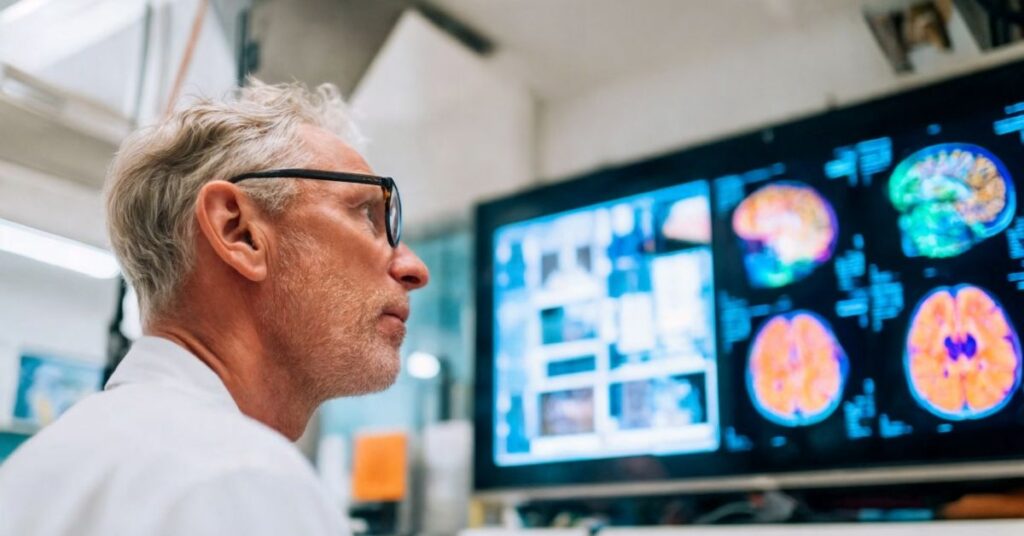
Seeing a neurologist provides focused insight and coordinated neurological care.
Key benefits may include the following:
This patient-focused approach prioritizes understanding, function, and quality of life rather than quick assumptions.
Neuropathy evaluation focuses on assessing nerve health and overall neurological function.
A neurologist may:
Management is individualized, focusing on symptom relief, functional support, and informed long-term planning without guarantees or alarmist language. Neurologists may also explore related support options such as TBI Rehabilitation if symptoms intersect with balance or injury recovery.
Early neurological guidance helps reduce uncertainty and unnecessary delays.
Benefits of early support include:
Even when symptoms feel mild, clarity can provide reassurance and direction.
Yes. A neurologist evaluates nerve function, identifies contributing factors, and helps guide supportive care and long-term neurological management.
In some cases, neuropathy may be associated with swelling, particularly if circulation, inflammation, or autonomic nerve involvement is present. Evaluation helps clarify the cause.
Yes. Certain forms of neuropathy can affect autonomic nerves that regulate digestion, leading to diarrhea or other bowel changes.
Progressive numbness, persistent nerve pain, muscle weakness, balance issues, or unexplained sensory or digestive changes are common reasons to seek neurological guidance.
Book a strategy call with Universal Neurological Care to discuss symptoms and care pathways.