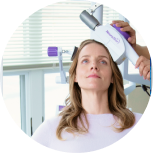
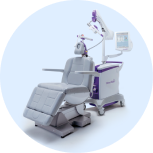
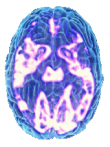
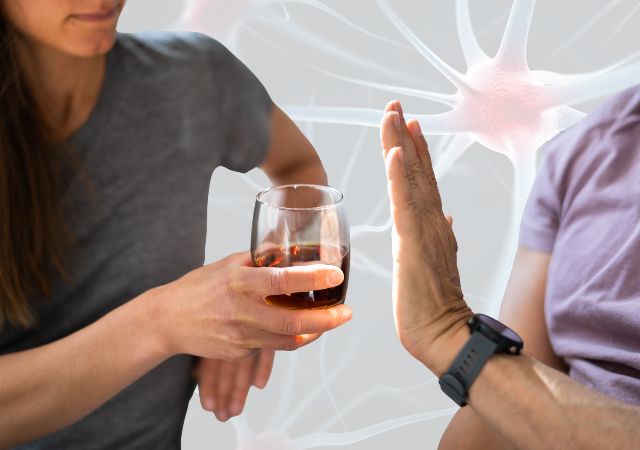
Transcranial Magnetic Stimulation (TMS) offers targeted, non-invasive treatment for a wide range of neurological and psychiatric conditions. Every treatment plan is personalized through a comprehensive clinical evaluation, allowing care to be tailored to each patient’s unique symptoms, medical history, and long-term goals. By focusing on individualized treatment, TMS provides a precise, evidence-based approach designed to support meaningful improvements in mental health, neurological function, and overall quality of life.

Anxiety
TMS may help reduce anxiety symptoms by targeting overactive brain circuits associated with stress and emotional regulation — offering a non-medication treatment option without the sedating side effects often linked to anxiety medications.
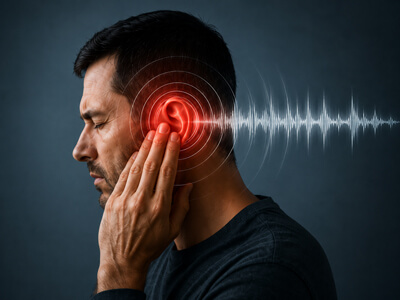
Tinnitus
For individuals living with persistent ringing or buzzing in the ears, TMS targets areas of the brain associated with auditory processing to help reduce neural overactivity linked to chronic tinnitus.
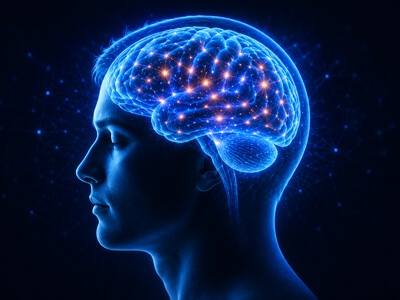
Cognitive Enhancement
TMS is being explored as a tool to support focus, memory, mental clarity, and cognitive performance by stimulating regions involved in attention, learning, and executive function.

ADHD
TMS may support attention, focus, and impulse control by stimulating the prefrontal cortex — offering a potential non-stimulant treatment option for adults managing ADHD symptoms.

Parkinson’s
TMS is being studied as a supportive therapy for Parkinson’s disease, with emerging research suggesting potential benefits for motor function, movement control, and overall quality of life.

PTSD
TMS provides a gentle, non-invasive approach for individuals with PTSD by targeting brain regions involved in trauma response, emotional regulation, and stress processing to support recovery and symptom relief.