Peripheral neuropathy is damage to the nerves outside the brain and spinal cord, causing burning pain, numbness, tingling, and weakness that most often begins in the hands and feet. Without treatment, symptoms typically worsen over time and can significantly affect mobility, sleep, and daily function. Universal Neurological Care in Jacksonville provides board-certified neurological evaluation, in-house diagnostic testing, and personalized treatment plans to reduce nerve pain and stop the progression without surgery.
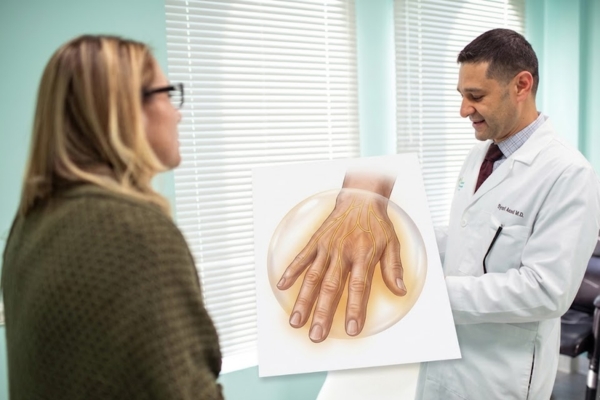
Neuropathy is damage to one or more peripheral nerves, the nerves outside the brain and spinal cord that carry signals between your body and your brain. When these nerves are damaged, those signals become distorted, weakened, or lost, causing symptoms like pain, numbness, tingling, and muscle weakness. Neuropathy can affect a single nerve, a group of nerves, or nerves throughout the entire body, depending on the underlying cause.
More than 30 million Americans live with peripheral neuropathy, making it one of the most common neurological conditions in the United States. (Source: National Institute of Neurological Disorders and Stroke)
Common Neuropathy Symptoms
Neuropathy symptoms vary depending on which nerves are affected. They often start subtle, easy to brush off as tiredness or aging and become more disruptive over time. If you've been experiencing any of the following, it's worth getting evaluated.
Tingling or "pins and needles"
Often the first symptom to appear, typically starting in the toes or fingertips and gradually spreading.
Numbness in hands or feet
Can feel like wearing a thick glove or sock, a loss of sensation that makes everyday tasks difficult.
Burning or sharp pain
May feel like an electric shock, stabbing, or a constant burning sensation. Can interfere with sleep.
Muscle weakness
Difficulty gripping objects, walking steadily, or climbing stairs. Caused by damage to motor nerves.
Sensitivity to touch
Normally harmless contact with a bedsheet, a sock, and light pressure becomes painful.
Loss of balance or coordination
Stumbling, unsteady gait, or an increased risk of falling. Common when sensory nerves in the feet are affected.
When Mild Symptoms Become a Serious Problem?
Mild neuropathy might mean occasional tingling or slight numbness that comes and goes. Severe neuropathy can mean constant pain, significant loss of movement, or autonomic problems affecting digestion or heart rate.
The critical point is this: neuropathy rarely reverses on its own. Without treatment, nerve damage tends to progress and the window for meaningful recovery is wider in the early stages. If these symptoms sound familiar, the next step is a proper neurological evaluation.
Experiencing these symptoms? Our Jacksonville team can help.
Neuropathy symptoms often begin subtly but can progressively interfere with daily life if left untreated. Depending on which nerves are affected, these symptoms may impact sensation, movement, or overall coordination. What starts as mild discomfort is often easy to dismiss as fatigue or aging until it becomes more persistent and disruptive.
If you’ve been noticing unusual sensations or changes in how your body feels or functions, it may be a sign of nerve damage and worth a professional evaluation. Common neuropathy symptoms include:
Diabetes
Prolonged high blood sugar damages the small blood vessels that supply your nerves with oxygen and nutrients. Over time, this leads to diabetic peripheral neuropathy - the most common complication of diabetes, affecting an estimated 50–70% of people with the disease according to the American Diabetes Association.
Managing blood sugar is essential to slowing progression, but it doesn't always reverse damage that has already occurred. Patients with diabetic neuropathy benefit most from a combined approach: metabolic management plus targeted neurological care.
Other Common Causes
Several other conditions can damage peripheral nerves: - Physical injuries or trauma - Vitamin deficiencies (B1, B6, B12) - Infections such as Lyme disease or shingles - Alcohol abuse - Chemotherapy-induced peripheral neuropathy (CIPN) - Autoimmune conditions (e.g., lupus, rheumatoid arthritis)
Because so many different sources can produce the same symptoms, a proper clinical diagnosis including a neurological exam and appropriate testing is the only reliable way to identify what's driving your specific case.
Neuropathy Treatment Options at Our Jacksonville Clinic
Neuropathy treatment depends on what’s causing the nerve damage and that’s where we start. Once we identify the underlying cause, we tailor your treatment to address the source, not just the symptoms.
From there, our neurologists draw from a range of approaches based on your clinical picture:
Medication management with gabapentin or neuropathic-specific antidepressants to reduce nerve pain
Therapeutic nerve blocks and trigger point injections for localized pain relief
Acupuncture for neurological pain management
Physical therapy coordination for strength, balance, and mobility
Many people live with neuropathy symptoms for years before seeking neurological care, often because they don't know what the process looks like. Here's exactly what to expect when you come to us.
Your first appointment involves a thorough review of your symptoms, medical history, current medications, and any prior test results you bring. Our neurologist will perform a clinical neurological examination to assess your reflexes, sensation, strength, and coordination. Telehealth appointments are available for patients who prefer a remote consultation.
Based on your evaluation, we'll recommend specific tests to identify the cause and severity of your nerve damage. This may include nerve conduction studies, EMG, Sudoscan, or blood work to assess for diabetes, vitamin deficiencies, or autoimmune markers. Having these capabilities in-house means you get answers faster.
Once we understand your diagnosis, we build a treatment plan tailored to your condition and your life. That means considering your other health conditions, your daily routine, and your goals — not just your symptom list. We explain every recommendation clearly so you can make informed decisions about your care.
Neuropathy management is not a one-visit process. We monitor your progress at every appointment and adjust your plan as your condition evolves. Patients have access to our AthenaHealth patient portal for ongoing communication, appointment scheduling, and record access between visits.
What Makes Our Approach Different
Non-Surgical, Drug-Optional Care
Our neuropathy treatment plans do not require surgery. Many patients achieve meaningful symptom relief through medication management, lifestyle changes, therapeutic procedures, and rehabilitative care with or without prescription medications, depending on their preference and clinical picture.
Advanced In-House Diagnostics
We perform EMG, nerve conduction studies, and Sudoscan evaluations on-site - no separate referral, no additional wait time. Faster diagnosis means a faster path to effective treatment.
Insurance Accepted
Most major insurance plans cover neurological evaluation and many neuropathy treatments. Our team can help verify your coverage before your visit.
Why Jacksonville Patients Choose Universal Neurological Care for Neuropathy?
Founded in 2015, our practice was built around one goal: deliver specialist-level neurological care with the kind of individualized attention that larger health systems rarely offer. Our team of board-certified neurologists and advanced practice providers treats the full range of neurological conditions, with focused expertise in peripheral neuropathy, diabetic neuropathy, and chemotherapy-induced nerve damage.
Dr. Syed Asad brings over 25 years of neurological experience and is board-certified in both Neurology and Traumatic Brain Injury Medicine. Our broader team holds advanced certifications across neurology specialties and has been serving Jacksonville patients for nearly a decade. Every patient receives a thorough evaluation, a clear explanation of their diagnosis, and a treatment plan built around their specific situation, not a referral stack and a follow-up date.
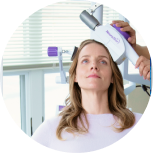
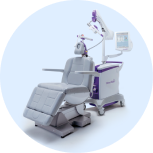
Transcranial Magnetic Stimulation (TMS) therapy is a non-invasive medical procedure that involves the use of magnetic fields to stimulate specific regions of the brain. It's primarily utilized as a treatment for various mental health conditions, notably major depressive disorder, where traditional therapies might have proven ineffective. During a TMS session, a coil is placed on the scalp, emitting magnetic pulses that target and activate specific brain areas associated with mood regulation. The procedure is generally well-tolerated and doesn't require anesthesia, allowing patients to resume their daily activities immediately after each session. TMS shows promise as a relatively safe and effective therapeutic option, offering a potential alternative for individuals seeking new avenues in managing their mental health challenges.
We offer a comprehensive range of diagnostic procedures aimed at addressing the complex array of neurological conditions that our patients may encounter. We usually refer out for advanced neuroimaging techniques such as MRI, CT scans, and FDG PET Scans. However, we perform specialized electrophysiological studies like EEG and EMG in house. For EEGs, we are able to perform Routine EEGs in the office as well as Ambulatory EEGs at the patient’s house. In addition we can perform Sudo Scans to evaluate for small fiber neuropathy.
On our TBI Diagnostic side, we perform VNG, RightEye Oculometric Testing, Computerized Dynamic Posturography, Cognitive Testing (computerized & in-person), and specialized EEGs such as WAVi EEG and Quantitative EEG. In certain cases, we can also offer the Smell Test (UPSIT) and Heart Rate Variability Testing.
The therapeutic options at our practice encompass medication management for various neurological indications. We offer Botox injections for conditions such as chronic migraine and spasticity. In addition we perform various nerve blocks and pain procedures such as trigger point injections, occipital nerve blocks, median nerve blocks, etc. We perform sphenopalatine ganglion blocks for our acute Migraine patients. We perform acupuncture for Neurological indications.
For our TBI rehab, we perform one-on-one traditional cognitive therapy with our Speech and Language Pathologist and Computerized cognitive therapy using Rehacom. We can perform oculometric therapy using RightEye. We can perform Neurobiofeedback using the BrainMaster system. We have the capability for Alpha Stimulation therapy for anxiety and Transmagnetic Stimulation for Depression.
Our team of experienced providers is dedicated to providing the highest quality care to help you manage your condition and improve your quality of life.
From diagnosis to treatment and ongoing management, we work closely with you every step of the way to ensure that you receive the best care possible.
We strive to be accessible and to maintain the highest level of communication which we believe is basis for an excellent provider-patient relationship.
Our clinic is located in Jacksonville, FL, and serves patients throughout Northeast Florida. To schedule an appointment or ask about our neuropathy services, call (904) 404-7044 or request an appointment online.
I'd been dealing with burning pain in my feet for two years before I came to Universal Neurological Care. They ran testing I'd never had before and figured out it was related to my diabetes. The treatment plan actually made a difference — I sleep through the night now
- Michael T., Jacksonville FL Diabetic Neuropathy Patient
After chemotherapy, the numbness in my hands made it hard to do basic things. The team here was patient, thorough, and genuinely listened. I'm not 100%, but I'm significantly better than I was.
- Sandra R., Orange Park FL
| CIPN Patient
I appreciated that they didn't just throw medication at me. They tested first, explained everything, and built a plan that fit my lifestyle. That's not always easy to find
- David K., Jacksonville FL
Peripheral Neuropathy Patient
Frequently Asked Questions
Neuropathy can be reversible but it depends on the cause and how long the nerve damage has been present. When caught early and the underlying issue (such as diabetes or a vitamin deficiency) is properly treated, some patients experience meaningful recovery of nerve function. For more advanced or long-standing neuropathy, full reversal is less likely but treatment can still reduce pain, slow progression, and significantly improve quality of life. The earlier evaluation begins, the more options are available.
Peripheral neuropathy is a broad term that describes any damage to the nerves outside the brain and spinal cord. Diabetic neuropathy is a specific type of peripheral neuropathy caused by the nerve damage that results from prolonged high blood sugar. Because diabetes is the most common cause of peripheral neuropathy, the two terms are often used interchangeably but not every peripheral neuropathy patient has diabetes, and diabetic neuropathy requires a treatment approach that includes blood sugar management alongside neurological care.
Results vary depending on the cause, severity, and duration of nerve damage. Some patients notice a reduction in pain or improvement in sensation within weeks of beginning treatment. Patients with chronic or more advanced neuropathy typically see gradual improvement over several months. Managing expectations honestly: neuropathy treatment is often a long-term process, not a quick fix but consistent, well-directed care makes a measurable difference for most patients. So if you’re ready to stop waiting and start seeing real progress, contact us today to begin a personalised neuropathy treatment plan.
Neurological evaluation and many common neuropathy treatments including nerve conduction studies, EMG, and medication management, are covered by Medicare and most major commercial insurance plans. Specific coverage depends on your plan, your diagnosis, and the treatments recommended. Universal Neurological Care accepts Cigna, BlueCross BlueShield, Aetna, Tricare, United Healthcare, and other major carriers. Call our office at (904) 404-7044 and our team can help verify your benefits before your appointment.
Many patients see meaningful improvement in foot neuropathy symptoms when the underlying cause is identified and treated early. For diabetic neuropathy, controlling blood sugar combined with targeted neurological care can reduce burning, tingling, and numbness over time. For neuropathy caused by vitamin deficiencies or medication, addressing the root cause often leads to gradual symptom relief. Full recovery depends on how long the nerve damage has been present and what caused it, which is why an accurate diagnosis is the most important first step.
Peripheral neuropathy and neuropathy are often used interchangeably, but neuropathy is the broader term. Neuropathy refers to any damage to the nervous system, which includes the brain, spinal cord, and peripheral nerves. Peripheral neuropathy specifically refers to damage to the peripheral nerves, the network outside the brain and spinal cord that carries signals to the hands, feet, arms, and legs. When most people say "neuropathy," they are typically referring to peripheral neuropathy, which is the most common form and the one most often associated with symptoms like tingling, numbness, and burning pain in the feet and hands.
Ready to Get Answers About Your Nerve Pain?
Neuropathy doesn't have to run your life. If you've been living with unexplained tingling, numbness, or nerve pain in Jacksonville, our neurologists can evaluate what's happening and put a plan in place.