Google logo
200+ Reviews

Videonystagmography (VNG) Testing in Jacksonville, FL

Diagnose vertigo and balance-related disorders

Videonystagmography is a diagnostic test that records eye movements to evaluate balance disorders related to the inner ear and brain. It is commonly recommended for patients experiencing dizziness, vertigo, or balance instability. Balance and vestibular evaluations available in Jacksonville include VNG testing through Universal Neurological Care to help determine the cause of dizziness and guide treatment strategies.
Videonystagmography

What Is VNG Testing?

Videonystagmography, or VNG, is a diagnostic test used to evaluate dizziness, vertigo, and balance disorders by tracking involuntary eye movements. Because the inner ear and brain work closely together to control balance, abnormal eye movement patterns can help identify vestibular dysfunction or other neurological causes of instability. The test may include visual tracking tasks and position-based assessments to understand how the balance system responds. Patients with persistent dizziness may benefit from both VNG and a full review through our neurological diagnostic services.
Conditions VNG Testing May Help Evaluate

Vertigo

Dizziness

Balance Disorders

Vestibular Dysfunction

Inner Ear Disorders

Motion Sensitivity

Gait Instability

Post-Concussion Dizziness

Chronic Disequilibrium

What to Expect During VNG Testing

Patients experiencing dizziness, vertigo, imbalance, or motion sensitivity often undergo VNG testing to determine whether the symptoms originate from the inner ear or neurological pathways controlling balance. Before testing, clinicians review symptoms and may advise patients to avoid certain medications.
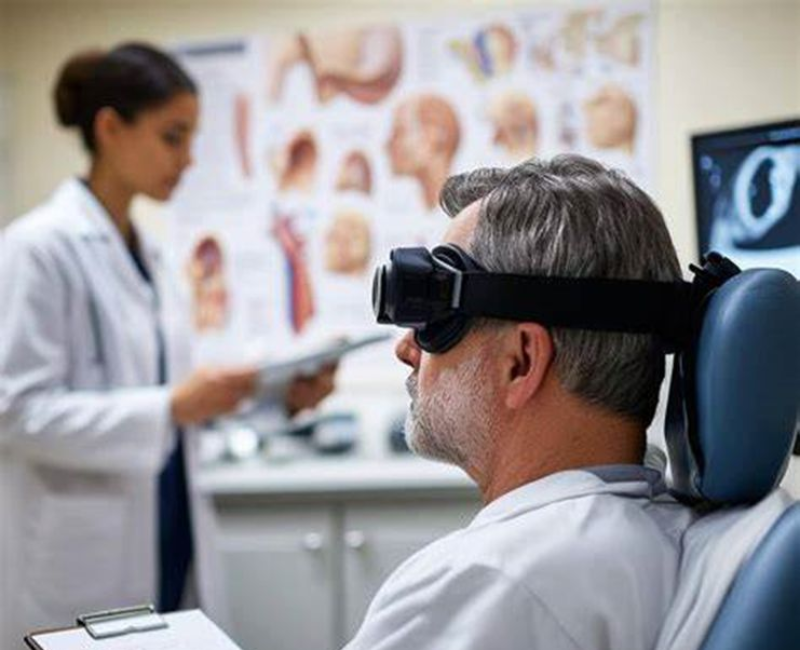
During the test, specialized goggles record eye movements while the patient performs visual tracking tasks or changes body position. These measurements help determine how the brain and inner ear coordinate balance.
After testing, physicians analyze the eye movement data to identify vestibular disorders or neurological causes of dizziness. This information helps guide treatment strategies that improve stability and reduce vertigo episodes.
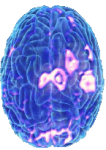
Depressed Brain
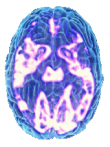
Non-Depressed Brain
Source: Mark George M.D., Biological Psychiatry Branch Division of Intramural Research Programs, NIMH 1993.

Safety and Effectiveness of VNG Testing

Advanced Balance Assessment

VNG evaluates how the eyes and inner ear work together to maintain balance, helping physicians diagnose vestibular disorders.
TMS therapy

Non-Invasive Diagnostic Technology

The test records eye movements using specialized goggles while the patient performs simple visual tasks.

Identifies Causes of Vertigo

Results provide valuable insight into dizziness, vertigo, and balance problems related to neurological or inner ear conditions.

Why Choose Universal Neurocare

Balance problems and persistent dizziness can make everyday activities feel unpredictable and unsafe. At Universal Neurological Care, VNG testing is used to investigate the complex relationship between the inner ear, visual system, and brain.

Our clinicians analyze eye movement responses during the test to determine how well the vestibular system is functioning. This information allows physicians to distinguish between inner ear disorders and neurological causes of dizziness.

By identifying the source of balance disturbances, our team can recommend targeted treatment strategies designed to improve stability and restore confidence in daily movement.



NeuroStar TMS Therapy

Diagnostic Procedures

Therapeutic Procedures

TBI Rehabilitation

FAQS

Videonystagmography (VNG)
VNG testing is commonly used to investigate dizziness, vertigo, and balance disorders. Because these symptoms can originate from either the inner ear or the brain, VNG helps physicians determine the exact source of balance problems.
VNG testing helps diagnose vestibular disorders such as benign paroxysmal positional vertigo (BPPV), vestibular neuritis, Ménière’s disease, and other balance disorders affecting the inner ear or neurological pathways controlling balance.
During VNG testing, patients wear special goggles that track eye movements while visual stimuli or positional changes are introduced. Because the vestibular system controlling balance is closely connected to eye movement, abnormal eye patterns can reveal how the inner ear and brain are functioning together.
Patients searching for VNG testing near me should consider neurological clinics experienced in diagnosing dizziness and balance disorders. In Jacksonville, Universal Neurological Care provides VNG testing as part of a comprehensive evaluation for vertigo and balance-related symptoms.

Videonystagmography (VNG)

Experiencing dizziness or balance issues? Schedule your VNG test today for a detailed evaluation of your inner ear and eye movement function.
chevron-down