

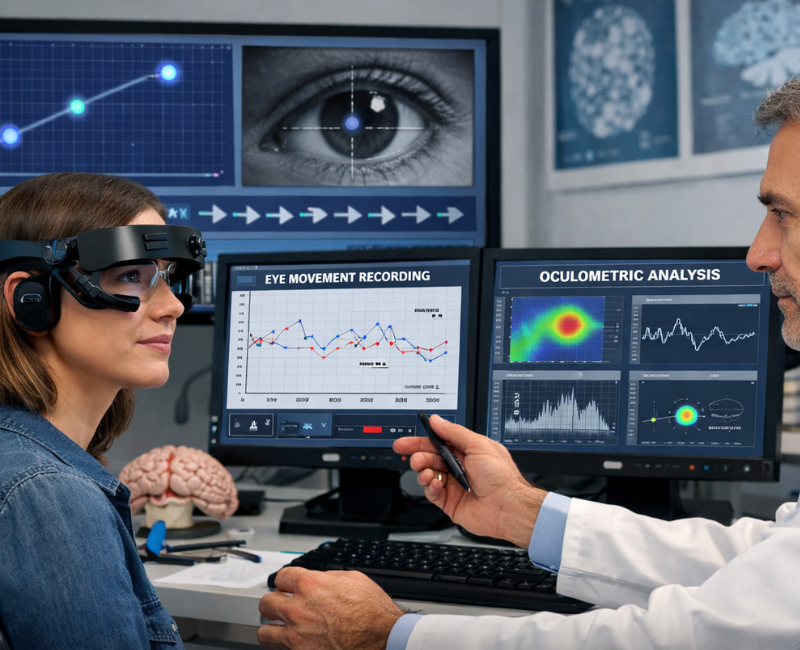
Oculometric testing measures eye movement behavior to help assess how the brain processes visual information. It is especially relevant for patients with concussion, traumatic brain injury, neurological disorders, or symptoms such as poor tracking, light sensitivity, blurred vision, and difficulty focusing. Because small abnormalities in eye movement can reflect broader neurological dysfunction, this testing can provide helpful insight beyond a basic vision exam. Patients may also be referred for neurological evaluation or related therapies when abnormal findings are detected.
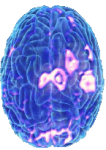
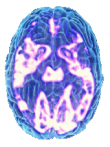
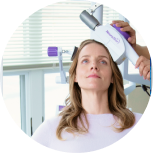
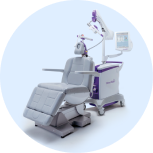





Eye movement tells a story the brain cannot always communicate directly. Our neurological specialists in Northeast Florida use advanced oculometric tracking technology to evaluate how efficiently the brain processes visual information, giving clinicians measurable data that standard examinations simply cannot capture.
Patients experiencing eye strain, visual fatigue, difficulty focusing, or tracking problems after concussion or neurological injury will find this testing particularly valuable. Symptoms that seem vision-related often point to deeper neurological dysfunction.
Precise eye movement analysis guides treatment planning that targets the underlying cause, not just the visual symptom.