

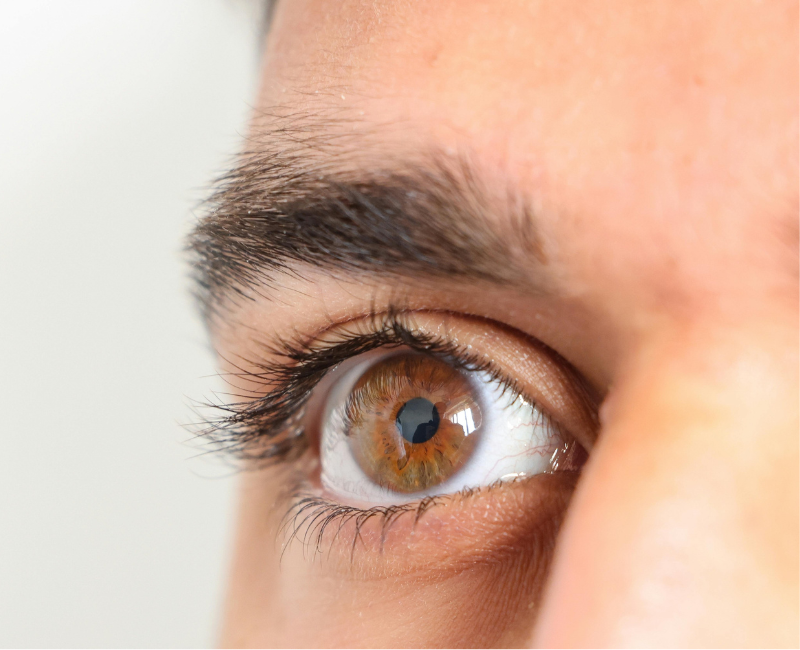
Ocular therapy is a neurological rehabilitation approach that helps improve how the eyes and brain work together. It is often used for patients with concussion, traumatic brain injury, stroke, dizziness, blurred vision, double vision, poor tracking, or trouble focusing. The purpose of treatment is to improve visual coordination, eye movement control, spatial awareness, and processing so daily tasks such as reading, walking, driving, and screen use feel more manageable. Because visual symptoms are often linked to broader neurological conditions, patients may also benefit from a full evaluation through our neurology team.






Vision problems caused by neurological conditions require more than traditional eye care. At Universal Neurological Care, ocular therapy is guided by clinicians who understand how the brain and visual system interact. Our team evaluates not only eye movement but also how visual information is processed by the brain, ensuring that therapy addresses the neurological cause of symptoms rather than only the surface effects.
Patients benefit from a comprehensive neurological environment where visual rehabilitation can be integrated with other neurological assessments. Because symptoms such as dizziness, blurred vision, and difficulty focusing may stem from brain injury, concussion, or neurological dysfunction, our approach focuses on restoring the connection between visual processing and overall neurological function.
Our goal is to help patients regain confidence in everyday activities that rely on visual coordination. Many individuals experience improved reading comfort, reduced eye strain, and greater visual stability after undergoing structured therapy within our multidisciplinary neurological care program.