
Physical therapy is a broad clinical field, but not all therapy is the same. While orthopedic physical therapy focuses on muscles, joints, and injuries, neurological physical therapy targets movement and balance problems caused by dysfunction in the brain, spinal cord, or nerves.
When the nervous system is affected, the issue goes beyond weak muscles or stiffness. The communication between the brain and body is disrupted: signals may be delayed, inaccurate, or uncoordinated. This can lead to poor balance, unstable walking, and loss of functional control, requiring specialized therapy to retrain how the body moves.
Neurological physical therapy focuses on restoring these pathways through targeted, evidence-based techniques. Care is coordinated within an integrated neurology team, ensuring treatment aligns with each patient’s condition and supports more effective, long-term recovery.
Motor retraining focuses on rebuilding the neural pathways that control movement. After conditions like stroke or brain injury, the brain often needs to relearn how to perform basic actions. Through repetitive, task-specific exercises, therapy helps the brain reorganize and restore functional movement patterns.
Balance therapy targets the systems that keep the body stable, including vision, inner ear function, and body awareness. When these systems are disrupted, fall risk increases. Therapy uses structured challenges in a controlled setting to improve stability and confidence in movement.
Gait training helps restore safe and efficient walking patterns. Neurological conditions often alter how a person walks, increasing fall risk and strain on the body. Therapy focuses on improving coordination, posture, and movement mechanics to support more independent mobility.
Strength training in neurological therapy focuses on improving how the brain activates and coordinates muscles, not just building muscle mass. The goal is to enhance both strength and control during functional movement.
Neuroplasticity is the brain’s ability to adapt and form new connections. Every movement practiced in therapy helps reinforce these pathways. This process allows patients to regain function, improve balance, and rebuild independence over time.
Our approach to neurological physical therapy is built around individualized, one-on-one care. Each session is delivered directly by your assigned therapist, allowing for close attention, real-time feedback, and adjustments based on how your body responds during treatment. Because neurological conditions affect each person differently, your therapy plan is fully customized, from exercise selection to progression, based on your diagnosis, functional abilities, and personal goals.
A strong focus of treatment is improving safety and reducing fall risk, which is a common concern in many neurological conditions. Your therapist will assess your balance, movement patterns, and daily environment, then guide you through practical strategies to help you move more confidently and safely. This may include training with assistive devices, modifying daily activities, and building stability through targeted exercises.
Therapy is supported by specialized equipment that allows for safe, progressive training across all stages of recovery. This enables controlled challenges to balance, strength, and coordination, even for patients with more complex impairments. Throughout your care, your therapy is closely coordinated with your neurology team, ensuring your treatment stays aligned with your condition, progress, and overall medical care for better long-term outcomes.
Stroke is a leading cause of long-term disability, and early, consistent rehabilitation plays a critical role in recovery. Physical impairments may include weakness on one side of the body, spasticity, poor balance, and difficulty with walking or coordination.
Neurological physical therapy focuses on restoring movement through task-specific training, motor retraining, and progressive strengthening. Treatment is tailored to each patient’s recovery stage and coordinated with the neurology team to support the best possible functional outcomes.
Parkinson’s disease affects movement control, leading to tremors, stiffness, slowed movement, and balance instability. Over time, these symptoms can significantly impact walking, safety, and independence.
Therapy uses evidence-based approaches such as amplitude-based training, gait work, and balance exercises to improve mobility and reduce fall risk. The goal is not only to address current symptoms but also to slow functional decline and maintain independence as long as possible.
Multiple sclerosis (MS) presents with symptoms such as fatigue, weakness, spasticity, and balance issues that can vary day to day. This unpredictability requires a flexible and responsive therapy approach.
Treatment focuses on improving strength, stability, and energy management while adapting to the patient’s condition in real time. The goal is to maintain function, reduce fatigue impact, and support quality of life throughout all stages of MS.
TBI can cause a wide range of physical challenges including poor coordination, balance deficits, dizziness, and weakness. These issues often occur alongside cognitive and behavioral changes, making recovery more complex.
Therapy is carefully paced to match each patient’s tolerance and recovery stage. Treatment focuses on restoring movement, improving balance, and supporting functional independence, often within a coordinated rehabilitation plan.
Peripheral neuropathy affects the nerves that control sensation and movement, often causing numbness, weakness, and balance problems. This significantly increases fall risk and limits mobility.
Physical therapy focuses on improving balance, strengthening supportive muscle groups, and teaching safe movement strategies. Sensory training and fall prevention are key components of long-term management.
Balance disorders can result from neurological conditions, vestibular issues, or age-related changes. Poor balance increases the risk of falls and reduces confidence in daily activities.
Treatment includes targeted balance training, sensory integration, and functional movement practice. Therapy is designed to improve stability, restore confidence, and support safer mobility in everyday life.
Recovery after neurological surgery requires a specialized approach that considers both healing and underlying neurological function. Standard physical therapy is often not sufficient for these cases.
Rehabilitation focuses on restoring strength, retraining movement, and safely progressing activity levels. Care is coordinated with the medical team to ensure recovery aligns with surgical outcomes and long-term goals.
Vestibular disorders affect balance, eye movement, and spatial awareness, often causing dizziness, vertigo, and unsteadiness. These symptoms can significantly impact daily function and safety.
Vestibular therapy uses targeted techniques such as repositioning maneuvers and gaze stabilization exercises to reduce symptoms and improve stability. Treatment is individualized and often coordinated with broader neurological care.
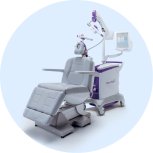





Universal Neurological Care provides neurological physical therapy in Jacksonville, FL, serving patients across the surrounding communities. Our clinic supports individuals from nearby areas who are seeking specialized, physician-guided rehabilitation for neurological conditions. All patients receive the same one-on-one, evidence-based care model, with treatment plans tailored to their condition, goals, and level of function.
Wear comfortable, non-restrictive clothing that allows your therapist to observe your movement and access your limbs when needed. Athletic or workout clothing is ideal. Supportive, closed-toe shoes with a firm sole are strongly recommended, particularly for patients working on balance and gait. Avoid sandals, flip-flops, or shoes without back support. If you use a cane, walker, ankle brace, or other assistive device, bring it to every session.
With the right team, the right approach, and the right commitment, meaningful recovery is possible at every stage of a neurological condition. At Universal Neurological Care in Jacksonville, FL, our neurological physical therapists bring together clinical precision, neurological expertise, and genuine dedication to your recovery. From your first evaluation to your final milestone, we are with you every step of the way.