


Heart rate variability testing measures the small variations in time between heartbeats to evaluate how well the autonomic nervous system is regulating the body. These patterns can provide insight into stress response, nervous system balance, recovery status, and overall physiological resilience. Abnormal HRV may be associated with autonomic dysfunction, chronic stress, or broader neurological imbalance. Patients with symptoms such as dizziness, fatigue, palpitations, or poor stress tolerance may benefit from HRV assessment as part of a neurology-based evaluation.




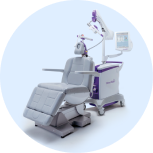





The nervous system constantly regulates heart rate in response to physical and emotional demands. Heart rate variability testing allows clinicians to measure how effectively the body adapts to stress and recovery.
At Universal Neurological Care, HRV analysis is used to evaluate autonomic nervous system balance. Variations between heartbeats provide important information about how the body regulates internal physiological responses.
Understanding these patterns helps physicians develop strategies that support improved nervous system regulation and overall health.