
Google logo
200+ Reviews

Evoked Response Potentials Testing in Jacksonville, FL

Measure brain response to sensory nerve stimulation

Evoked potential testing measures how the brain responds to sensory stimulation such as visual, auditory, or nerve signals. The test evaluates how efficiently nerve pathways transmit information between the body and brain. Patients receiving neurological evaluation in Jacksonville may undergo evoked response testing through Universal Neurological Care to help detect nerve damage or disruptions in neurological signaling.
Evoked Response Potentials Testing in Jacksonville, FL

What Are Evoked Response Potentials?

Evoked response potential testing measures how the brain responds to sensory input such as visual, auditory, or nerve stimulation. The test helps evaluate whether signals are traveling properly through the nervous system and can be useful when physicians suspect nerve pathway disruption, demyelination, or neurological dysfunction. Because the results reflect how well communication occurs between the body and brain, this test may support diagnosis in complex cases where symptoms are not fully explained by other studies. It may be used alongside a broader neurology workup.
Conditions Evoked Potential Testing May Help Evaluate

Multiple Sclerosis

Optic Nerve Disorders

Sensory Pathway Dysfunction

Nerve Conduction Abnormalities

Brainstem Disorders

Visual Pathway Deficits

Auditory Pathway Dysfunction

Peripheral Nerve Dysfunction

Demyelinating Disease

What to Expect During Evoked Potential Testing

Some neurological conditions affect how quickly signals travel through the nervous system. Patients may experience symptoms such as vision disturbances, hearing abnormalities, numbness, tingling, or coordination difficulties. When these symptoms appear, physicians may recommend evoked potential testing to evaluate whether nerve pathways are transmitting signals normally between the brain and the body.
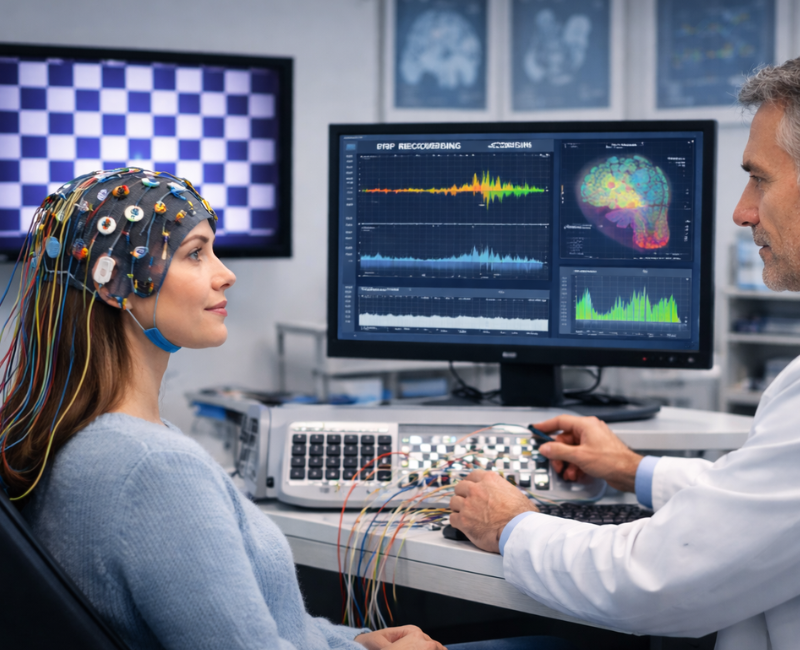
During the procedure, small sensors are placed on the scalp to measure the brain’s electrical response to specific stimuli such as flashing lights, sound signals, or mild sensory stimulation. Each stimulus allows physicians to measure how quickly the nervous system responds and whether signals are delayed.
The recorded data allows neurologists to detect disruptions in neural communication. These findings can assist in identifying disorders affecting nerve pathways, such as demyelinating diseases or other neurological conditions that interfere with sensory signal transmission.
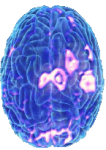
Depressed Brain
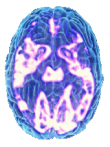
Non-Depressed Brain
Source: Mark George M.D., Biological Psychiatry Branch Division of Intramural Research Programs, NIMH 1993.

Safety and Effectiveness of Evoked Potential Testing

Measures Neural Signal Transmission

Evoked potential testing evaluates how quickly signals travel along nerve pathways between sensory organs and the brain.
TMS therapy

Safe Electrical Monitoring

Sensors record the brain’s response to visual, auditory, or sensory stimuli without causing discomfort or harm.

Detects Early Neurological Changes

The test can reveal disruptions in nerve pathways that may not yet appear in other imaging or diagnostic studies.

Why Choose Universal Neurocare

Evoked potential testing is used to evaluate how quickly signals travel along the nervous system. At Universal Neurological Care, this test helps physicians investigate conditions that may affect communication between sensory organs and the brain.

The procedure measures the brain’s electrical response to controlled visual, auditory, or sensory stimuli. These responses reveal whether nerve pathways are transmitting signals efficiently.

Because neurological diseases often disrupt these pathways before structural changes appear on imaging, evoked potential testing can provide important early diagnostic clues that help guide further evaluation and treatment.



NeuroStar TMS Therapy

Diagnostic Procedures

Therapeutic Procedures

TBI Rehabilitation

FAQS

Evoked Response Potentials
Evoked potential testing measures how quickly electrical signals travel from sensory organs to the brain. This test can reveal disruptions in nerve pathways that may not appear on imaging tests.
There are several types of evoked potential tests, including visual evoked potentials (VEP), auditory evoked potentials (AEP), and somatosensory evoked potentials (SSEP). Each type evaluates a different sensory pathway in the nervous system.
Evoked potentials help detect abnormalities in nerve pathways connecting the brain to sensory organs. This information is useful in diagnosing conditions such as multiple sclerosis, optic nerve disorders, and certain spinal cord injuries.
Patients searching for evoked potential testing near me can contact Universal Neurological Care in Jacksonville, where advanced neurological diagnostics help evaluate sensory nerve pathway function.

Evoked Response Potentials

Need advanced neurological diagnostics? Schedule your evoked response test today to evaluate how your brain responds to sensory stimulation.
chevron-down