

Google logo
200+ Reviews

Cognitive Therapy in Jacksonville, FL

Strengthen memory, attention, and daily cognitive skills

Cognitive therapy is designed for individuals experiencing difficulties with memory, attention, reasoning, or mental processing due to neurological conditions such as brain injury, stroke, or neurodegenerative disease. These challenges can affect daily activities, work performance, and quality of life. Through structured cognitive rehabilitation techniques, the clinical team at Universal Neurological Care in Jacksonville helps patients strengthen cognitive function and improve their ability to process information, make decisions, and maintain focus.

What Is Cognitive Therapy?

Cognitive therapy is a rehabilitation service designed to improve mental functions such as memory, attention, reasoning, organization, and problem-solving. It is commonly recommended for people affected by traumatic brain injury, stroke, dementia, or other neurological disorders that interfere with daily thinking and independence. Treatment may include structured exercises, repetition-based training, and practical strategies that help patients function better at home, at work, and in social situations. For patients with memory-related decline, this service may also connect with advanced Alzheimer’s treatment options or broader neurological care.
Conditions Cognitive Therapy May Help Address

Traumatic Brain Injury (TBI)

Stroke

Dementia

Mild Cognitive Impairment

Alzheimer’s Disease

Brain Fog

Memory Loss

Attention Difficulties

Executive Dysfunction

What to Expect from Cognitive Therapy

Patients who come for cognitive therapy often struggle with memory lapses, brain fog, difficulty concentrating, or slowed thinking after neurological conditions such as stroke, traumatic brain injury, or early cognitive decline. These symptoms can affect work performance, daily tasks, and confidence.
Our clinicians guide patients through targeted cognitive exercises designed to strengthen memory, attention, reasoning, and problem-solving skills. Therapy sessions may involve structured tasks, memory strategies, and exercises that improve mental processing speed.
As therapy progresses, many patients experience improved mental clarity, better organization, and greater independence in daily activities. Cognitive therapy can also complement broader neurological treatment plans for conditions such as dementia or brain injury recovery.
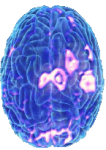
Depressed Brain
Non-Depressed Brain
Source: Mark George M.D., Biological Psychiatry Branch Division of Intramural Research Programs, NIMH 1993.

Safety and Effectiveness of Cognitive Therapy

Structured Brain Training

Cognitive therapy uses clinically designed mental exercises to improve attention, memory, and problem-solving abilities. The therapy is safe and adaptable for patients recovering from neurological injury or decline.
TMS therapy

Personalized Treatment Plans

Therapists adjust exercises based on the patient’s cognitive strengths and limitations, allowing for gradual and sustainable improvement.

Evidence-Supported Rehabilitation

Cognitive rehabilitation is widely used in neurological care to support recovery after stroke, brain injury, or cognitive decline.

Why Choose Universal Neurocare

Cognitive challenges can affect every part of daily life, from maintaining focus at work to remembering important tasks or conversations. At Universal Neurological Care, cognitive therapy is designed to address these challenges through a neurological framework that considers how brain function, injury, and disease influence mental performance.

Our clinicians evaluate each patient’s cognitive strengths and limitations before designing a therapy plan tailored to their needs. This personalized approach allows therapy to focus on restoring memory, improving attention, and strengthening problem-solving abilities in ways that directly translate to real-world situations.

By combining cognitive rehabilitation strategies with broader neurological care, our team supports patients in rebuilding confidence and independence. Many individuals find that structured therapy not only improves cognitive clarity but also helps them regain control over daily responsibilities and decision-making.



NeuroStar TMS Therapy

Diagnostic Procedures

Therapeutic Procedures

TBI Rehabilitation

FAQS

Cognitive therapy focuses on improving mental processes such as memory, concentration, problem solving, and decision making. It is often recommended for patients experiencing cognitive challenges after neurological injury or disease.
Cognitive therapy is commonly recommended for patients recovering from stroke, traumatic brain injury, concussion, or neurological disorders that affect thinking and memory. Individuals experiencing brain fog, difficulty concentrating, or problems organizing daily tasks may also benefit.
Therapy sessions focus on strengthening memory recall, attention control, problem solving, reasoning skills, and mental flexibility. Exercises are designed to help patients apply these improvements to everyday situations such as work, communication, and decision making.
If you are searching for cognitive therapy near me, it is best to choose a clinic that provides neurological evaluation alongside cognitive rehabilitation. Patients in Jacksonville can contact Universal Neurological Care, where clinicians design therapy plans tailored to each patient’s neurological condition.
No. Cognitive therapy is widely used for many neurological conditions including concussion recovery, stroke rehabilitation, brain injury recovery, and cognitive fatigue related to neurological disorders.

Cognitive Therapy

Strengthen Memory, Focus, and Mental Clarity
chevron-down