TL;DR: A focal seizure (also called a focal onset seizure, or a partial seizure in older terms) is a seizure that starts in one area of the brain. Symptoms depend on that area and can include twitching, strange tastes or smells, sudden fear, or a blank stare. Some people stay aware of what is happening, and others lose awareness. An EEG and MRI help find the cause, and daily medicine often controls the seizures.
During a focal seizure you may have twitching in one hand or face, a strange smell or taste, sudden fear or déjà vu, or a blank stare with confusion. These seizures are common and treatable. A neurologist can find where they start with an EEG and MRI and match you with the right medicine.
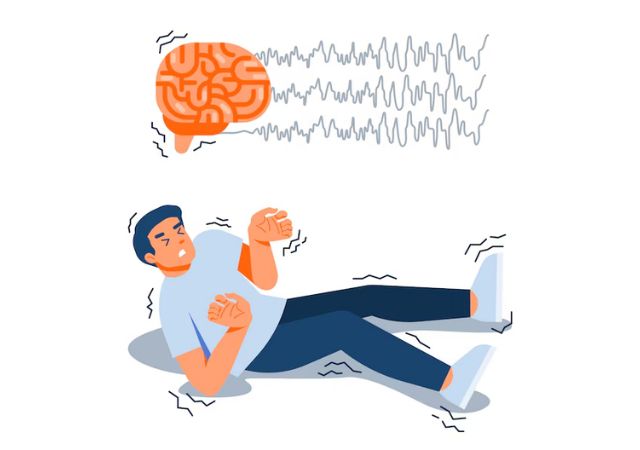
The symptoms depend on which part of the brain is involved. A focal seizure can change how you move, what you sense, how you feel, or how aware you are.
When a seizure starts in the part of the brain that controls movement, one part of the body may twitch or stiffen. Movements on one side of the body usually come from the opposite side of the brain. Each body part has its own spot in the movement area, so a seizure that starts in the "thumb spot" can make the thumb twitch.
The twitching sometimes spreads up the hand and arm over several seconds. Doctors call this a Jacksonian march. You cannot stop it by willpower, and holding the shaking hand will not stop it. Afterward, the arm may feel weak. This is called Todd's paralysis. It usually clears within minutes to hours, but it can last longer. Weakness that is new, happens for the first time, or is not clearly getting better needs emergency care, because it can also be a sign of stroke.
Seizures that start in other parts of the brain can change what you sense or feel. People describe:
These warning sensations are called auras. An aura is actually the start of the seizure. Tell your neurologist exactly what you feel, because it gives clues about where the seizure begins. If you often notice the same feeling just before losing time, write it down.
You stay aware of yourself and your surroundings. You can usually remember the whole event afterward. These were once called simple partial seizures. They can happen on their own, or they can be a warning that a bigger seizure is coming.
Your awareness changes. You may look awake but not answer questions normally. These were once called complex partial seizures. Many people repeat movements, such as lip-smacking or picking at their clothes. Afterward, you may not remember the seizure and may feel tired or confused. Other people sometimes mistake these seizures for confusion or drug use.
Sometimes a focal seizure spreads to both sides of the brain. It then becomes a full-body convulsion with stiffening and jerking, like a tonic clonic seizure.
Most focal seizures stop on their own within a few minutes, but some situations need emergency help.
Call 911 if:
Both can cause a blank stare, so they are easy to mix up. The difference is where they start.
| What you notice | Focal Seizure | Absence Seizure |
|---|---|---|
| Where it starts | One area of the brain | Both sides of the brain at once |
| How long it lasts | Often 30 seconds to a few minutes | Usually under 20 seconds |
| Warning feeling (aura) | Common | Not typical |
| Afterward | Confusion or tiredness is common if awareness changed | None. The person returns to normal right away |
| Usual age | Can start at any age | Most often starts in childhood |
The right diagnosis matters because treatment differs. Some medicines that work well for focal seizures can make absence seizures worse. An EEG helps tell the two apart.
Not always. A brief twitch in one hand is usually not life-threatening. The risks come from what happens around the seizure:
Your neurologist asks what happened, tests your brain's electrical activity, and looks at your brain structure.
What you felt and what a witness saw both matter. Details such as the warning feeling, which body part moved, how long it lasted, and how you acted afterward help point to the area where the seizure starts.
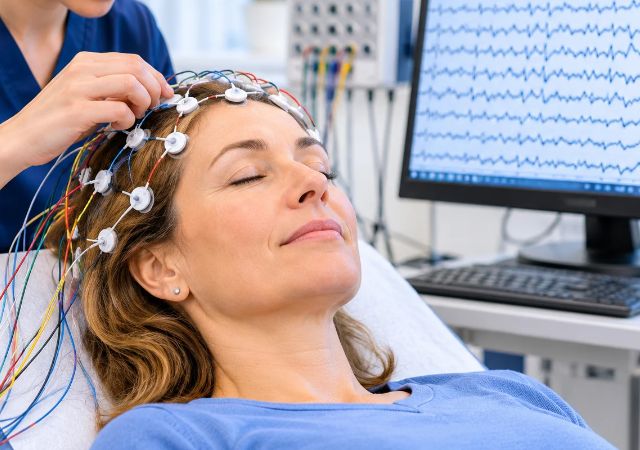
An EEG test records your brain's electrical activity. About half of people with epilepsy show abnormal patterns on their first routine EEG, so a normal result does not rule out epilepsy. Repeating the EEG, recording during sleep, or using a longer recording can help.
Universal Neurological Care offers routine EEGs in the office and ambulatory EEGs at home. An ambulatory EEG records for a longer time while you go about your day, which gives more chances to catch a seizure. Video-EEG monitoring, which pairs EEG with video, is done at comprehensive epilepsy centers.
An MRI shows the structure of the brain. It can find scar tissue, a tumor, or an area that formed differently. Some small abnormalities are easy to miss on a standard scan, so your neurologist may request a special epilepsy MRI.
Blood tests check for temporary triggers, such as low sodium. They cannot diagnose epilepsy on their own.

Focal seizures are treated first with one daily antiseizure medicine, and about 6 in 10 people become seizure-free on medicine. If medicine does not work, surgery or implanted stimulation devices may help.
This is a decision you make with your neurologist. Medicine is usually recommended after two seizures with no clear trigger. After one seizure, it may be recommended if the seizure happened during sleep, or if your EEG or MRI shows a problem. For very mild or rare seizures with little risk of injury, you may choose to wait. Medicine lowers the chance of more seizures, but it does not cure the cause.
Doctors start with a single medicine. Common first choices are lamotrigine and levetiracetam. Oxcarbazepine is another option. No medicine has been proven best for everyone, so your neurologist chooses based on side effects, other medicines you take, your health, and cost.
If you may become pregnant, tell your neurologist early. Some seizure medicines raise the risk of birth defects, and lamotrigine and levetiracetam have the lowest risk.
About one in three people keep having seizures. Doctors call this drug-resistant epilepsy, and it is diagnosed after two appropriate, well-tolerated medicines fail. At that point, you have these options:
Our neurologist at Universal Neurological Care can help you decide when to ask for this referral. Ambulatory EEG monitoring can also be part of the work-up.
A seizure can affect your ability to drive. Most states require a seizure-free period, ranging from about 3 to 18 months, and rules usually focus on seizures that change awareness. Florida may require a seizure-free period and a medical review before you can drive again. What applies to you depends on your situation and health history.
Check the current rules with the Florida Department of Highway Safety and Motor Vehicles. Your neurologist can provide the medical information the state needs.
A neurological evaluation can help find where your seizures start, decide which tests you need, and plan treatment. Universal Neurological Care evaluates people with new-onset and complex seizure disorders and offers EEG testing to help guide diagnosis and treatment. You can meet a neurologist in Jacksonville to talk through your symptoms.
Contact our office: schedule a seizure evaluation at 8823 San Jose Blvd., Suite 209, Jacksonville, FL 32217, or call (904) 404-7044.
Contact our office to discuss your specific situation. Please have these ready when you call:
Most last from about 30 seconds to a few minutes. Confusion afterward can last longer, especially if awareness changed. A seizure that lasts five minutes or longer is an emergency.
Yes. Partial seizure is the older name. Doctors now say focal onset seizure, and describe it as focal aware or focal impaired awareness.
Yes. Some focal seizures spread to both sides of the brain and become a full-body convulsion. This is called a focal to bilateral tonic clonic seizure.
Some childhood epilepsies go away as the brain matures. In adults, it depends on the cause. Talk with your neurologist before stopping or changing any medicine.
Common causes include a head injury, stroke, infection, a tumor, or scar tissue in the brain. In many people, no clear cause is found, even after advanced imaging.